So You Want to Ship That Figure: A Survival Guide for the American Hentai Shopper
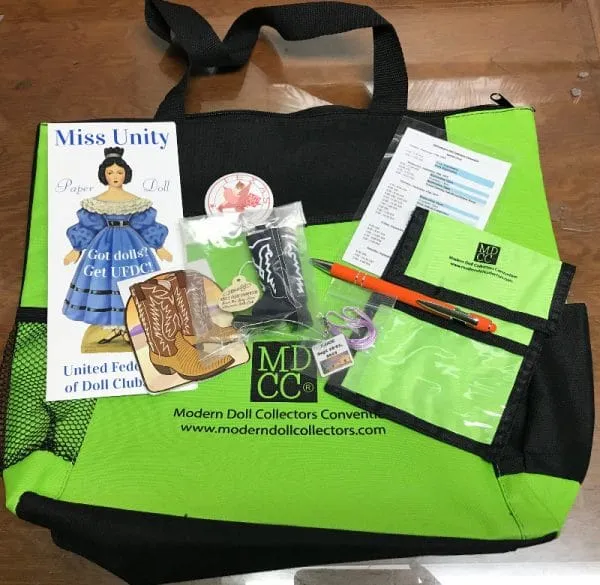
Photo: convention tote bag collectible figures unboxing, via www.dollpeddlar.com
The Checkout Is the Hard Part
Let's start with the problem nobody warns you about: it's usually not the seller. It's the money.
Major US payment processors have spent the last decade quietly de-platforming adult commerce. Visa and Mastercard's adult-content classifications have made mainstream processors skittish, which means the doujinshi storefront you found might be running on a payment provider with a hair-trigger ban policy. Plenty of collectors have had cards flagged — not for anything illegal, just for buying a rated-M visual novel from a shop the algorithm didn't like.
The workarounds are well-trodden: prepaid cards, digital wallets, and proxy services that handle payment on your behalf. Each has trade-offs. Prepaid cards die on international transactions constantly. Proxies add fees. The veterans' advice is boring but correct: use a dedicated card for this stuff, keep statements clean, and don't chain together a dozen small purchases from the same obscure merchant in one week unless you enjoy fraud-detection phone calls.
Customs: Less Scary Than the Internet Claims
The customs fear is mostly folklore. Importing commercially produced adult material into the US for personal use is legal, and the threshold where formal entry paperwork kicks in — the $800 de minimis exemption for most shipments — means the vast majority of doujinshi orders sail through without a second glance.
Where people actually run into trouble: misdeclared contents. Sellers in a hurry sometimes mark an adult figure as a "toy" or a doujinshi as "printed matter," and a mismatch between the declaration and the box is what gets a package pulled, not the content itself. If you're using a proxy service, pick one that declares accurately. Saving eight dollars on declared value isn't worth a held package.
The one real wrinkle: some carriers require a signature for adult-material deliveries, and a few states have historically been more active about obscenity enforcement than others. Community consensus, backed by decades of shared delivery horror stories, is that this matters far less than it did in the 2000s — but if you're in a state with a famously aggressive obscenity statute on the books, it's worth knowing your local landscape before you order a crate.
The Vendor's Side of the Counter
Talk to US-based vendors at cons and a pattern emerges. The ones who've lasted are the ones who treat compliance as a product feature. They know which carriers accept adult-labeled parcels, which states to double-check, and how to package a 1/6-scale figure so the box doesn't announce its contents to your mailroom.
One vendor we spoke with put it plainly: the gray market isn't shady, it's just undocumented. Everyone in the chain — seller, shipper, proxy, buyer — is doing something legal that the mainstream financial system has decided not to make easy. The workarounds aren't evasion; they're infrastructure that got built in the gaps.
A Con Bag Checklist
If you're heading to a con or placing your first big online order, the accumulated wisdom of two decades of American collectors boils down to this:
- Know the ratings. Japanese content ratings don't map one-to-one onto US expectations. Read the product page, not just the cover.
- Budget for the proxy. If a shop doesn't ship stateside, proxy services typically add 10–20% plus shipping. Factor it in before you fall in love with a preorder.
- Preorders are promises, not purchases. Figures ship six to eighteen months after the order. Your card gets charged when it ships, usually. Check the shop's policy.
- Photograph everything. If a package arrives damaged — and figures do arrive damaged — you have about a 48-hour window to file a claim with most shippers.
- Discretion is a packaging choice. Most reputable vendors ship in plain boxes by default. If yours doesn't, ask. It's a normal request.
The Wall at the End
The final step, for a certain type of collector, is the display question. Con bag to bedroom wall is a real pipeline, and the etiquette is entirely yours to decide. Some people keep everything in acid-free sleeves and closed cabinets. Some people hang original art pages in the living room and dare guests to comment.
There's no wrong answer — just a decade of collective trial and error, freely available, from people who already paid the flagged-card, held-package, broken-figure tax so you don't have to. The gray market runs on that kind of shared memory. Add your own stories to the pile.