The 480p Compromise: How US Data Plans Quietly Rewired On-the-Go Hentai Viewing

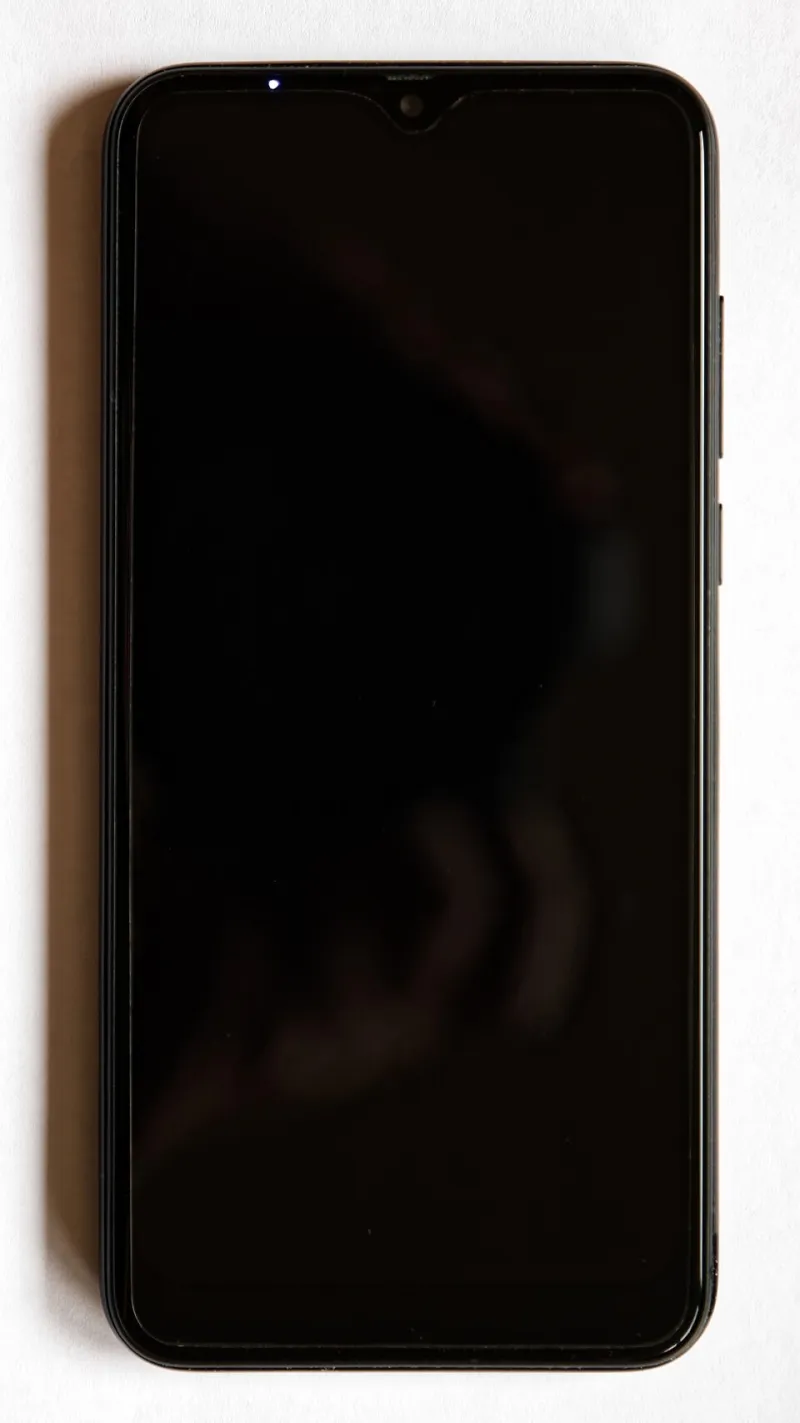
Photo: Rahio1234, Public domain, via Wikimedia Commons
Twenty-four minutes. That is the length of a standard episode, and it is also roughly the length of a commute, a lunch break, or the stretch between two stops on a subway line with no signal. Somewhere in that window, a subscriber opens a stream, watches a spinner, gets a soft-focus 480p picture, and decides whether this was worth the monthly bill. In 2026, that decision is being made on a phone far more often than on a living room TV, and the phone is the one device in the house whose picture quality is decided by a contract.
The Front Door Is a Phone Now
The shift is not subtle. Adult anime subscriptions get opened on phones in bed, on buses, in parking lots, and during the fifteen minutes before a meeting. It is the device that is always there and always charged-ish. The TV is the better screen; the phone is the one that actually gets used.
Which means the viewing experience is now downstream of carrier policy. Not the website, not the player, not the bitrate ladder the service carefully tuned. The carrier. That is an uncomfortable amount of influence for a company that has no idea what you are watching and no interest in finding out.
What "Unlimited" Actually Delivers
The word on the plan is unlimited. The word that matters is premium.
Most major US plans hand you a monthly bucket of full-speed data — often 50GB, sometimes 100GB — and after that you are deprioritized. Deprioritization is not a cutoff. It is a shrug. During busy hours, on a congested tower, your stream gets whatever bandwidth is left over, which on a Friday evening in a dense neighborhood can be genuinely bad.
Then there is the video setting buried three menus deep. Every major carrier ships a stream-quality toggle that defaults to a lower resolution to "save data." Left alone, it caps video at 480p on cellular no matter what your screen can display. Turning it off is the single highest-impact change most subscribers can make, and a huge number of people have never found the switch.
And hotspot data — if you are the sort who tethers a tablet or a laptop — is a separate, smaller allowance, often 15GB to 50GB, after which it slows to something that will load a page and not much else.
The 480p Compromise
Here is the part that surprises people: 480p is not equally bad for everything.
Anime survives compression better than live action in some ways and worse in others. Flat colors and clean line art hold up. But dark scenes — and adult anime has a lot of dark scenes — are where low bitrates fall apart. Gradients band into visible steps, blacks crush together, and the whole image turns into a smear of gray. The subtitle track, which is usually crisp text rendered on top, suddenly looks sharper than the picture underneath it. That mismatch is what makes a low-bitrate stream feel cheap even when you cannot articulate why.
Resolution gets the marketing, but bitrate is what your eye is complaining about. A well-encoded 720p stream will beat a starved 1080p one every time.
Pre-Downloading Is the New Primetime
This is where the habits of the last few years have quietly become standard practice. Fans who commute do not stream. They download over Wi-Fi the night before and watch from local storage.
The math is not scary. A 24-minute episode at decent 1080p runs somewhere between 500MB and 1.2GB depending on the encode. A twelve-episode season at the high end is around 12GB. That fits comfortably on a modern phone if you have made peace with deleting things.
What actually blocks people is not bandwidth. It is storage. A 128GB phone with a decade of photos, three messaging apps, and a game or two has maybe 20GB of breathing room. That is a season and a half. So the routine becomes: download three episodes, watch them, delete them, repeat. Some fans keep a microSD in a tablet for exactly this and treat the tablet as a dedicated offline screen — a surprisingly elegant solution that costs almost nothing.
2026 Habits Worth Building
- Find your carrier's video-quality toggle and check what it is set to. Defaults are not neutral.
- Know your deprioritization threshold. If it is 50GB, you do not need to track it daily, but you should know when you are near it.
- Download before you leave the house. Every service supports it and almost nobody uses it consistently.
- Keep a lower-bitrate fallback in mind for congested hours — a 720p download beats a stuttering 1080p stream.
- Check hotspot allowances before you plan a trip around tethering. They are smaller than you think.
- If a room has bad signal, go offline. Airplane mode plus a downloaded episode is more reliable than a heroic attempt to stream on one bar.
The phone stopped being the compromise screen a while ago. For a lot of subscribers it is the primary one, and it is worth ten minutes of settings work to make sure the thing is not quietly showing you the worst possible version of something you paid for.